
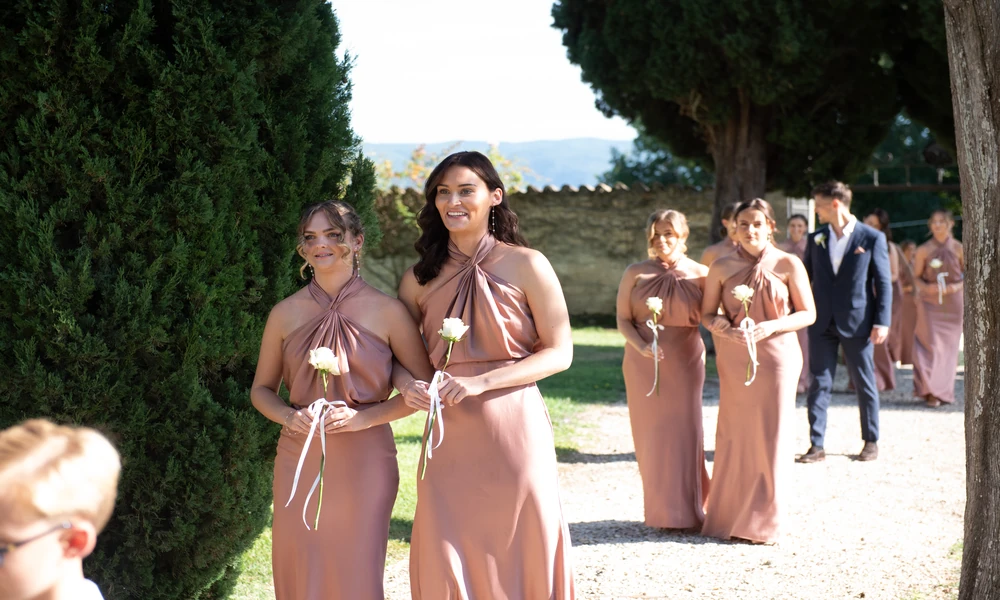
A micro wedding is not a miniature version of a large reception. It is a chance to decide which traditions are genuinely meaningful. This guide looks at the decisions that make the experience practical, distinctive and enjoyable for international couples and their guests. Rather than offering a fixed formula, it considers the trade-offs that matter when planning in Umbria and elsewhere in Italy. The aim is to make choices based on the real setting, the season and the people attending.
Define what small means to you
A micro wedding might include immediate family, a few close friends or a couple travelling alone with witnesses. The label matters less than the practical decisions it supports. Start by discussing the guest list and the kind of day you want: a formal ceremony, a long shared meal or a relaxed celebration over a weekend. Those choices influence the venue, transport and budget far more than an arbitrary guest-count threshold.
Choose the right scale of space
Photographs of grand estates can be appealing, but an intimate event needs proportion. Ask how dining areas can be arranged for a small party and whether there is a comfortable indoor alternative to an outdoor ceremony. A private terrace, smaller historic room or sheltered courtyard may create a stronger atmosphere than a vast reception hall. Also ask whether the venue hosts multiple events at once, as privacy can be central to the experience.
Keep the legal process separate from the celebration
International couples should establish whether they want a legally recognised marriage in Italy or a symbolic ceremony following a legal marriage at home. Documentation can vary by nationality, marital status and ceremony type, so advice should come from the relevant authorities or qualified local professionals. Avoid making assumptions based on another couple’s experience. Once the legal route is clear, the symbolic and emotional parts of the day become easier to design.
The detail that is easy to overlook
One useful exercise is to write down three moments you want to remember vividly. They might be the vows, a conversation with a parent or dinner around one table. Use those moments to guide the budget and timeline. This helps prevent a small wedding from accumulating unnecessary traditions simply because they are familiar.
Make the meal an occasion
A small guest list can open possibilities for a single beautifully arranged table, regional wine pairings or a menu that reflects family preferences. Ask caterers about minimum spend, allergies and the pace of service. A long dinner is enjoyable only if guests are comfortable and courses arrive at sensible intervals. Music can be understated: an acoustic performance or carefully chosen playlist may suit the setting better than a large production.
Be candid with guests about the format. A small celebration may have fewer formalities, but visitors still need to know what to wear, how long they will be together and whether activities are optional. Clear expectations make intimacy feel welcoming rather than exclusive.
Allow the destination to matter
A micro wedding can still feel like a significant journey. Build in time for local exploration, but resist the temptation to schedule every moment. Couples can see intimate wedding options when comparing venues and ask specifically how a smaller group would use the spaces. The aim is a celebration with a strong sense of place and enough freedom for everyone to enjoy being together.
Final thoughts
Planning a micro wedding is an exercise in choosing deliberately. With a clear guest list, realistic budget and thoughtful logistics, a modest gathering can feel complete and deeply personal. Focus on the moments you want to remember rather than the traditions you feel obliged to include.
One last consideration is how decisions will be communicated once the booking is confirmed. A concise schedule, a named contact for guests and written supplier responsibilities can prevent small misunderstandings from becoming problems. Ask for final details early enough to correct them, but avoid sending visitors a flood of updates. The strongest destination celebrations combine an unmistakable sense of place with clear information and flexibility. This practical balance gives the couple more freedom to enjoy the occasion and helps guests feel confident from arrival to departure.

Comments are closed.