
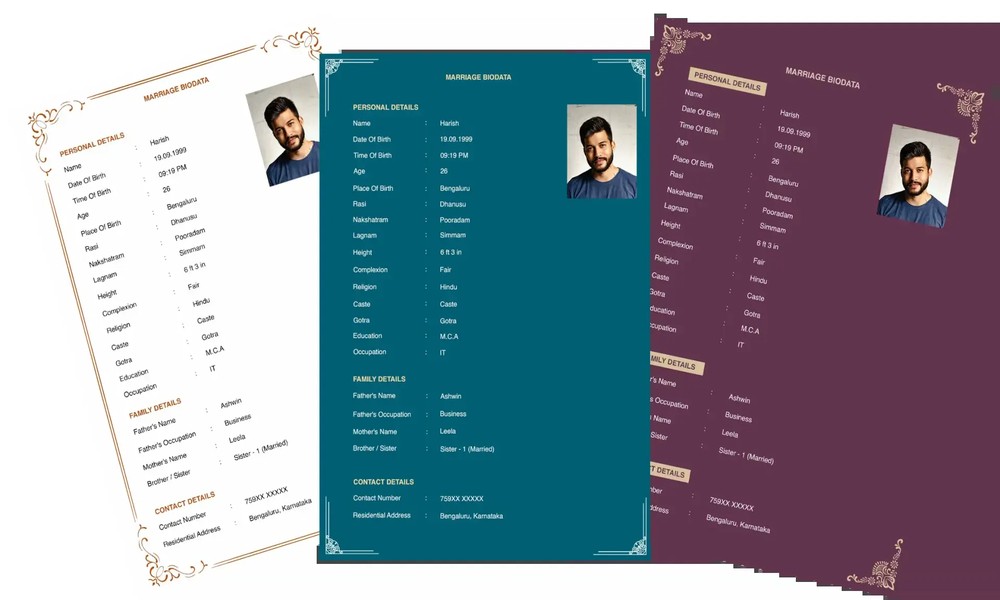
Marriage biodata creates a strong first impression. It shares important personal details. Families often review it carefully. A suitable format adds better clarity. It also reflects cultural values. However, every family has unique expectations. Different religions follow different traditions. Community customs also shape preferences. Therefore, selecting the right format becomes an important step. A thoughtful presentation helps information appear organized and meaningful.
Understanding Religious Expectations
Religious traditions guide many marriage decisions. They also influence biodata structure. Hindu families often include details about traditions and family background. Muslim families may prefer information about religious values and lifestyle choices. Christian families usually appreciate clear personal and family details. Religious preferences vary across regions. However, respect for faith remains important. A suitable format should match these expectations. It should present information with simplicity and dignity. This approach creates comfort and trust during initial discussions.
Considering Community Customs
Community traditions often affect biodata design. Some communities prefer detailed profiles. Others favor concise presentations. Family heritage may hold special importance. Community members sometimes seek cultural compatibility. Therefore, biodata sections should reflect those priorities. Relevant information should appear naturally. A balanced structure improves readability. It also supports better understanding. Community values often shape first impressions. So, a format aligned with those values can make communication smoother and more effective.
Matching Personal Preferences
Personal style also matters greatly. Some individuals prefer traditional layouts. Others like modern and clean designs. Personal preferences reflect individual personality. However, presentation should remain respectful and practical. A simple arrangement often works well. It allows information to stand out. A professional appearance creates confidence. Sometimes, excessive design elements distract attention. Therefore, choosing a neat structure is beneficial. It helps families focus on important details and understand the profile more comfortably.
Choosing the Right Level of Detail
The amount of information matters. Some families seek detailed descriptions. Others appreciate shorter introductions. A good format balances both needs. It should provide useful information. However, it should avoid unnecessary content. Educational background deserves clear mention. Professional details should remain easy to read. Family information should appear organized. Therefore, thoughtful content placement improves overall presentation. A clear format encourages positive engagement and supports meaningful conversations between families during the marriage search process.
Creating a Balanced and Effective Profile
A well-designed marriage biodata supports better connections. It reflects personality and values. Religion shapes many preferences. Community customs provide additional guidance. Personal choices add individuality. Therefore, every section should feel relevant and clear. A carefully planned bio data format for marriage creates a positive impression. It helps families understand compatibility.

Comments are closed.